How to Use AI in Marketing: Strategies, Use Cases,…
OverviewArtificial intelligence is no longer something only enterprise brands can access. Today, businesses of all sizes are using AI to improve campaign performance, work more…



Google Analytics 4 (GA4) has been the default analytics platform for more than a year now, yet many businesses are still struggling to trust their data.
The promise of GA4 is powerful: better cross-device tracking, privacy-first measurement, and AI-driven insights. The reality for many organizations, however, is confusion, mismatched numbers, and dashboards that raise more questions than answers.
This disconnect is not because GA4 is broken. It is because GA4 is fundamentally different from what businesses were used to.
The biggest mistake businesses make is assuming GA4 works the same way Universal Analytics (UA) did. It does not.
GA4 uses an event-based data model, meaning everything is tracked as an event:
There are no traditional sessions, bounce rates, or destination goals in the way teams understood them in UA. When businesses attempt to recreate UA-style reports inside GA4, the data starts to feel inconsistent or unreliable.
GA4 is designed for modern user behavior, not legacy reporting habits.
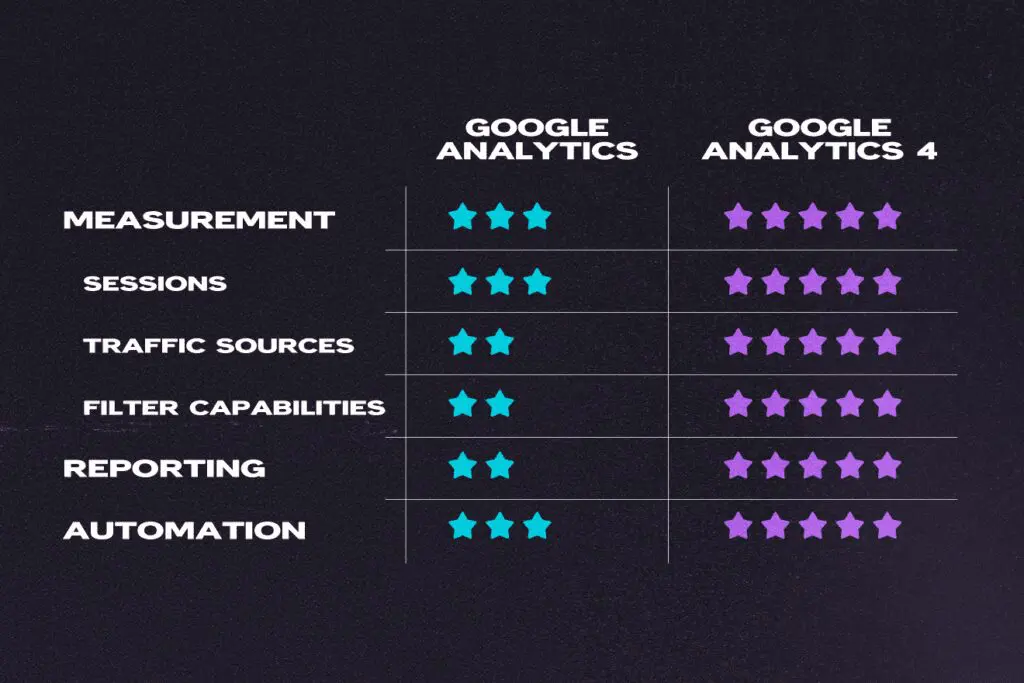
One of the most common frustrations with GA4 is that revenue, leads, or traffic numbers rarely match Shopify, CRM systems, or advertising platforms. This mismatch usually happens for several reasons:
GA4 is built to provide directional insights, not perfect one-to-one parity with every other tool. Businesses that expect exact matching will always feel frustrated by their data.
In GA4, conversions are no longer predefined. This flexibility is powerful, but it also leads to a common mistake: marking too many events as conversions.
When everything is labeled a conversion, nothing is meaningful.
Instead, businesses should focus on tracking:
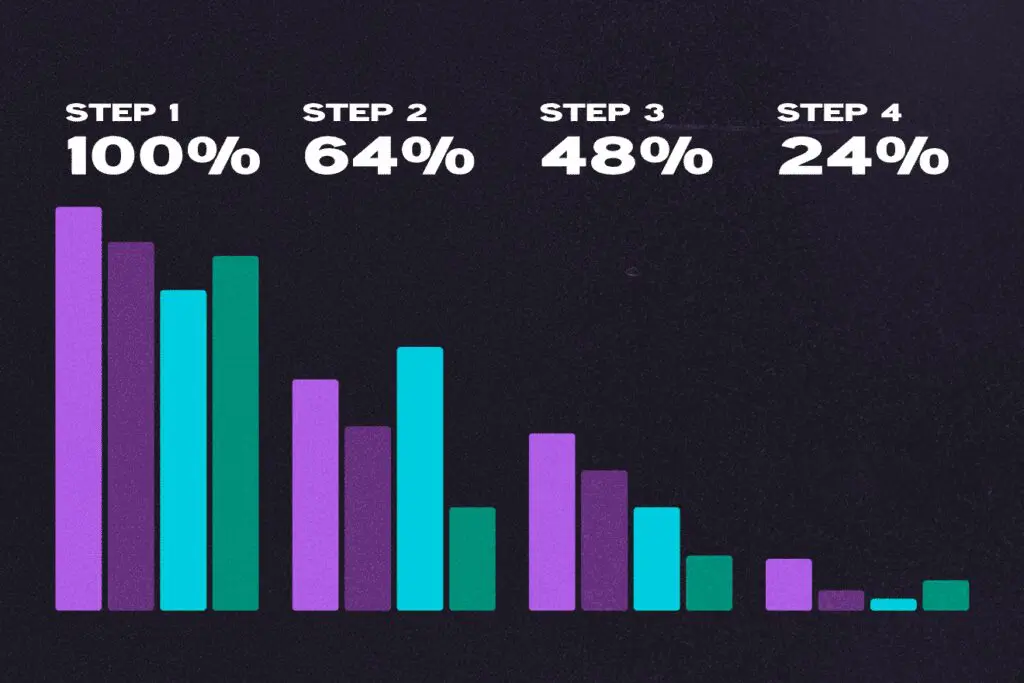
Less data, configured correctly, is far more valuable than excessive tracking with no strategic purpose.
GA4 delivers the most value when it is used to answer strategic questions, not to recreate old reports. It works best when helping businesses understand:
When GA4 is set up with clear goals, it becomes a decision-support tool, not a reporting headache.
GA4 is not about perfect data. It is about better decisions.
Businesses that adapt their mindset, stop chasing exact matches, and focus on strategic insights see far more value from GA4. Those who continue to treat it like Universal Analytics will continue to feel frustrated.
The real power of GA4 lies not in the numbers themselves, but in how those numbers are used to guide smarter marketing, product, and growth decisions.