How to Use AI in Marketing: Strategies, Use Cases,…
OverviewArtificial intelligence is no longer something only enterprise brands can access. Today, businesses of all sizes are using AI to improve campaign performance, work more…




Local SEO has evolved from a checklist driven tactic into a credibility driven strategy. In 2026, ranking locally is no longer about repeating city names or chasing volume through low quality directory links. Google’s local algorithm is now designed to reward businesses that provide real value, strong user experience, and consistent signals across platforms.
Many businesses believe their Local SEO is working because they still appear in Maps for a few searches. In reality, visibility is shrinking as competitors invest in higher quality content, stronger Google Business Profiles, and better website foundations.

Despite major algorithm changes, Google continues to evaluate local businesses using three core signals. What has changed is how these signals are measured and weighted.
Relevance
Relevance is about how closely your business aligns with the search intent. This goes beyond keywords. Google evaluates your business categories, services, on page content, and even review language to understand what you truly offer.
Proximity
Proximity is largely outside a business’s control, but it is still influenced by accurate address data, service area settings, and consistent NAP information across platforms.
Prominence
Prominence reflects trust. Reviews, brand mentions, backlinks, and engagement signals all contribute to how established your business appears. In 2026, prominence is built slowly and rewarded consistently.
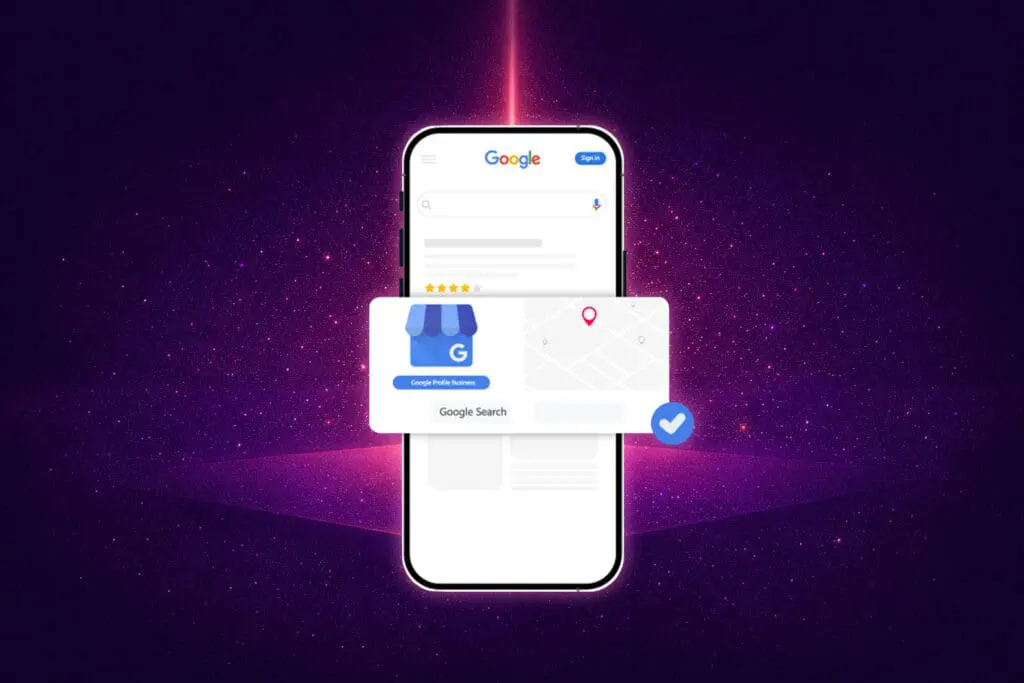
Your Google Business Profile is often the first interaction a potential customer has with your brand. In many cases, it converts users before they ever reach your website.
High performing profiles consistently show signs of activity and legitimacy, including:
Profiles that are rarely updated or only partially filled out send weak trust signals. Even businesses with strong websites struggle if their profile feels inactive or generic.

It is common for businesses to rank well in Maps but struggle to appear in organic local results. This happens because the two systems rely on different signals.
Map rankings are influenced heavily by proximity, reviews, and profile optimization. Organic local rankings depend more on website authority and structure, including:
Without a solid website foundation, Map visibility alone is fragile and inconsistent.

Short term tactics may still create brief spikes in visibility, but they rarely last. AI generated content, keyword stuffed pages, and review manipulation are increasingly filtered out by Google.
Businesses that succeed in Local SEO focus on sustainable investments such as:
These efforts compound over time and create defensible rankings that are harder for competitors to displace.

Local SEO in 2026 is about trust, consistency, and usefulness. Businesses that treat it as an ongoing strategy rather than a one time setup continue to gain visibility, while those relying on outdated tactics slowly fade from search results.
The goal is not to game the algorithm, but to align with it by building a brand that users and search engines both trust.
These efforts compound over time and create defensible rankings that are harder for competitors to displace.